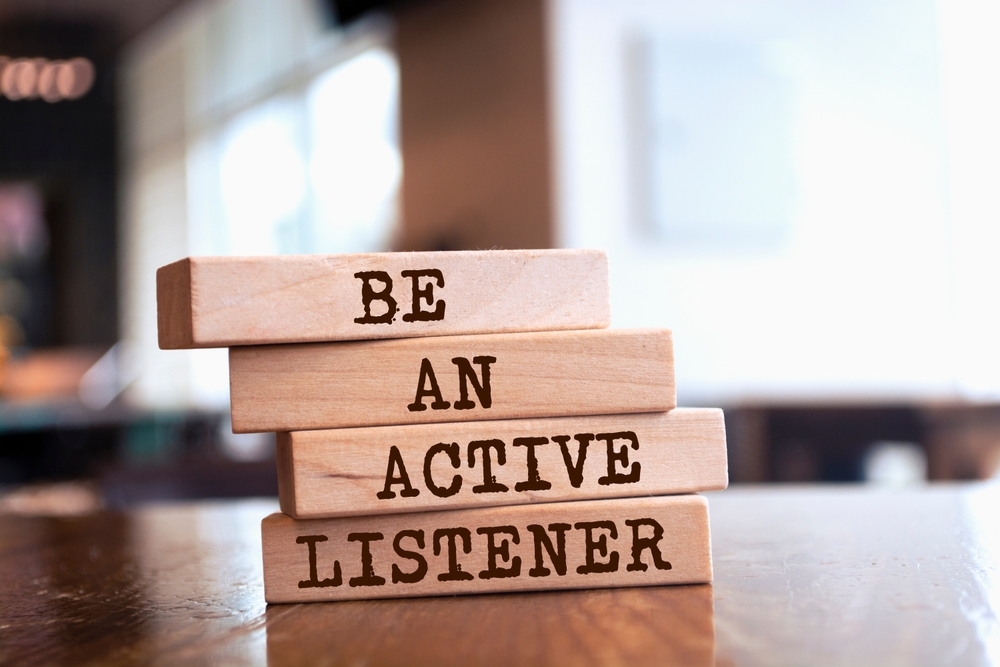
Posted on Mar 17, 2026 by Berkshire CenterPoint
The Art of Active Listening: How to Truly Hear Your Friends and Family
Most people assume they’re good listeners. But there’s a significant difference between hearing someone and truly listening to them. Active listening means giving your full attention to the person speaking — focusing not just on their words, but their emotions, tone, and intent.
For the relationships that matter most, this skill can be transformative. Here’s how to practice it.
The Core Principles: Be Fully Present
Active listening starts before you say a word. It starts with removing distractions. Put your phone face down. Turn off the TV. Close your laptop. These small actions send a powerful message: you matter, and I’m here. Without this foundation, even the best listening techniques will fall flat.
Non-Verbal Mastery: Your Body Speaks Volumes
A lot of communication happens without words. Research suggests maintaining eye contact for roughly 50–70% of a conversation strikes the right balance — engaged, but not intense.
Beyond eye contact, open body language matters. Nodding, leaning slightly forward, and keeping your arms uncrossed all signal that you’re tuned in. These cues encourage the speaker to open up and feel safe sharing more.
Deepening the Connection: Reflect, Paraphrase, and Ask
Once someone finishes speaking, resist the urge to respond immediately with your own thoughts. Instead, reflect on what you heard.
Paraphrasing — restating their words in your own language — confirms that you understood them correctly. Something as simple as “It sounds like you’re feeling overwhelmed by everything on your plate” can make someone feel genuinely seen.
Pair this with open-ended questions to invite deeper conversation. Ask “How did that make you feel?” rather than “Were you upset?” Open questions require more than a yes or no—they create space for honest, meaningful dialogue.
Most importantly, validate emotions even when you don’t fully agree with someone’s perspective. Acknowledgment is not the same as agreement. Saying “That sounds really difficult” shows empathy without requiring you to take sides.
Common Pitfalls to Avoid
Even well-meaning listeners fall into a few predictable traps.
- Interrupting is one of the most common. It’s tempting to jump in with a similar experience or a quick solution, but doing so shifts the focus away from the speaker. Practice patience — wait until they’ve fully finished before responding.
- Judgment is another barrier. Approaching a conversation with a preformed opinion prevents you from truly hearing what’s being said. Try to enter each conversation with curiosity rather than conclusions.
Finally, watch out for listening to respond rather than listening to understand. If your mind is already formulating your next point while the other person is still talking, you’ve stopped actively listening.
Strong Relationships Are Built on Being Heard
When you listen actively, you do more than absorb information — you build trust. Friends and family feel valued when they know they have your full attention and that their emotions are respected.
These aren’t complex skills, but they do require practice and intention. Start small: choose one conversation today where you commit to being fully present, ask at least one open-ended question, and hold back from offering advice unless it’s asked for.
If you’re looking for a community where meaningful connection is at the heart of everything, Berkshire CenterPoint welcomes you. We’re a place where people come together to grow, support one another, and truly be heard. Join our community today.